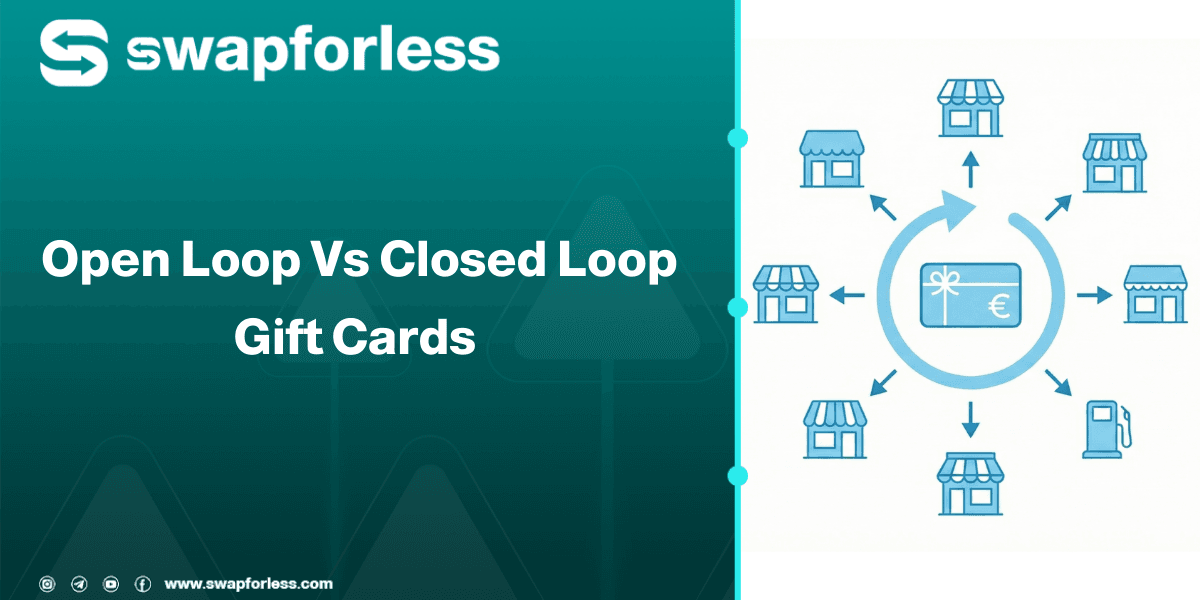
Open Loop vs Closed Loop gift cards lie in the freedom of spending: Open Loop cards, such as Visa and Mastercard, work anywhere that accepts electronic payments. In contrast, Closed Loop cards, like Amazon or iTunes, are restricted to a single store.
In 2026, users tend to use closed-loop cards for specific gifting purposes and open-loop cards for daily liquidity, relying on Swapforless as a bridge to exchange closed-loop cards into global liquidity (USDT) whenever necessary.
What is the Difference Between Open Loop and Closed Loop Gift Cards?
When you hold a gift card or receive a digital code, you possess purchasing power—but this power has limits defined by the card type. Understanding these boundaries has become essential to avoid losing the value of your funds or having them frozen in stores you don’t need.
Let’s simplify the matter, moving away from complex banking jargon.
1. What are Open Loop Gift Cards?
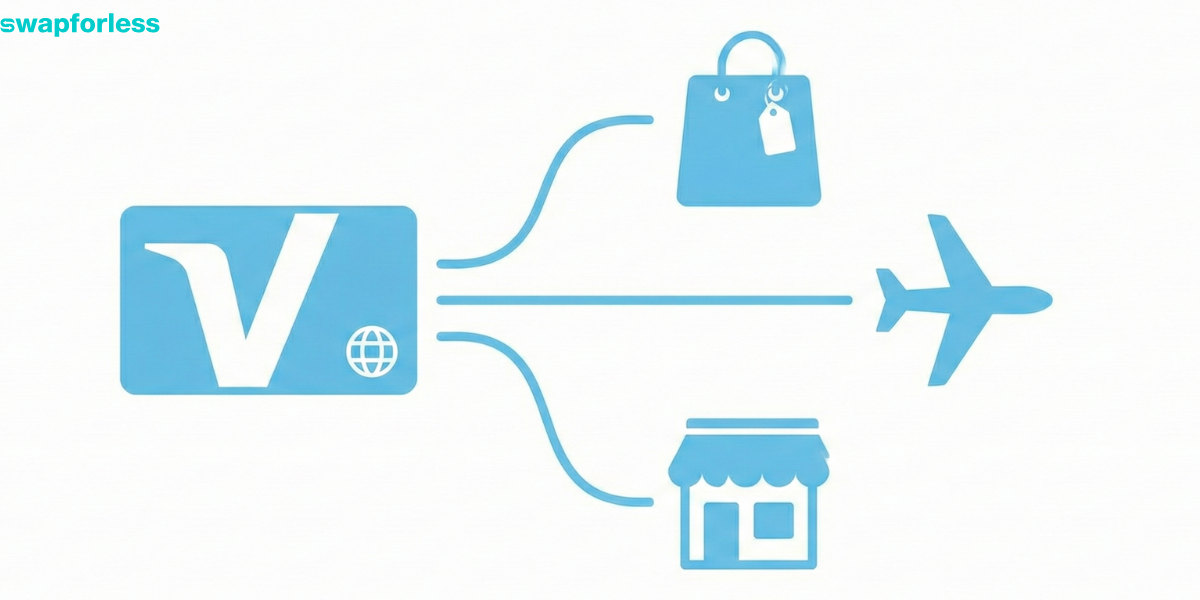
These are cards that carry the logo of a global payment network (such as Visa or Mastercard) and can be used anywhere these networks are accepted, whether in a physical store or an online site.
Think of them as “liquid cash” in a card format. Their greatest advantage is universality; you can pay a restaurant bill, book a flight, or shop at multiple stores using the same card. In 2026, virtual versions of these cards have become the preferred choice for fast international purchases.
2. What are Closed Loop Gift Cards?
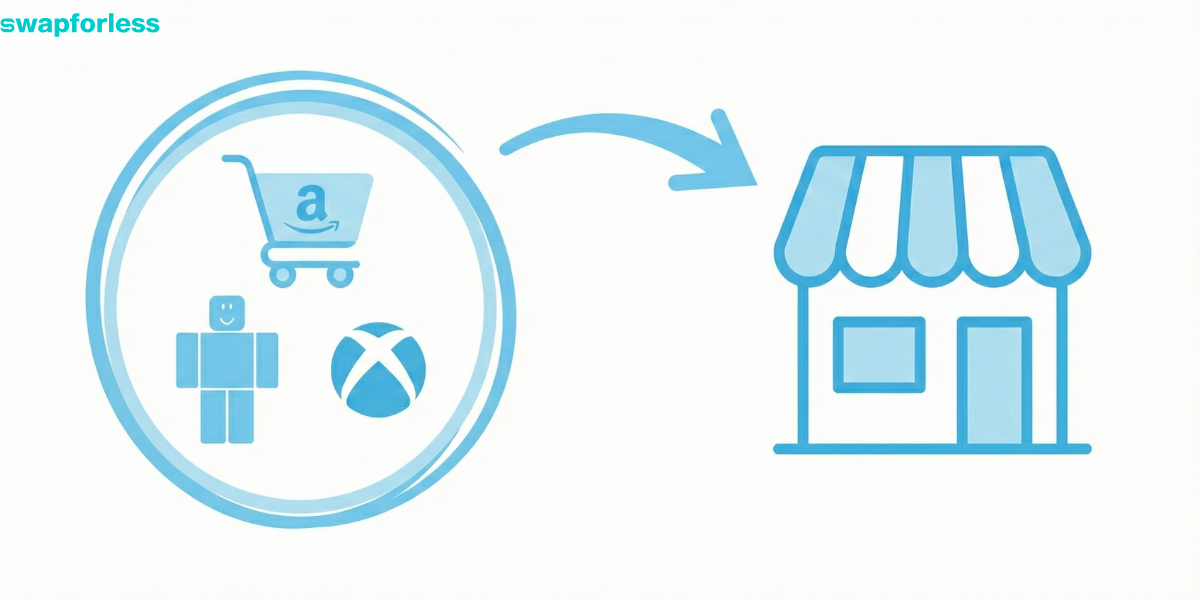
These cards are dedicated to only one store or a group of stores owned by a single company (such as Amazon, Roblox, or Xbox).
Think of them as an exclusive “shopping voucher.” The purchasing power here is confined within the walls of the issuing store.
Although they are less flexible, they are often characterized by ease of issuance and the absence of additional activation fees, making them the top choice for personal gifts directed at a specific hobby.
3. What are Semi-Closed Loop Gift Cards? The Middle Ground
This category is a smart evolution of closed-loop cards. They are not limited to one store but extend to include a group of stores belonging to a single company or shopping malls (Malls).
For example, a card used across all stores within a specific mall or a chain of restaurants owned by a holding group. These cards offer more flexibility than traditional closed-loop cards but remain locked within a specific commercial scope and cannot be used globally like a Visa.
Quick Comparison: Open Loop vs Closed Loop
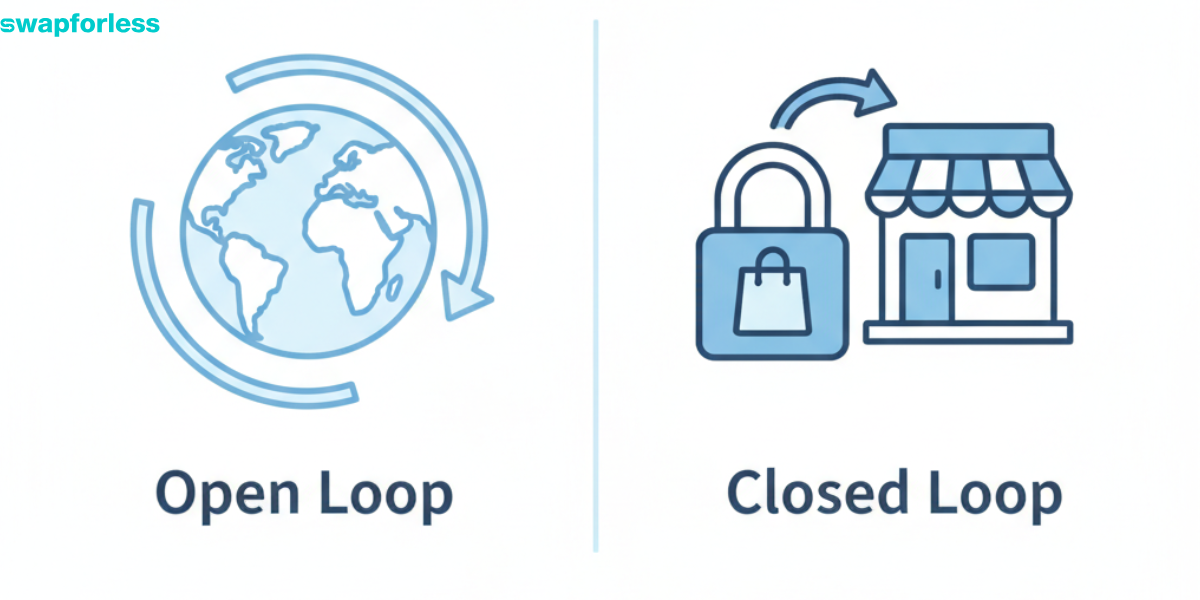
| Feature | Open Loop | Closed Loop | Semi-Closed |
| Usage Scope | Global (Anywhere accepting Visa) | Single specific store | Group of affiliated brands |
| ID Verification | Often Required | Not Required | Usually Not Required |
| Flexibility | Absolute (Comprehensive) | Very Limited | Medium (Within the group) |
| Best Use | Daily expenses & travel | Specific gifts & gaming | Shopping in malls |
Which to Choose? Virtual or Physical Card?
In 2026, many people prefer virtual cards for their speed of acquisition and security against physical loss. However, physical cards remain a solid option in countries experiencing fluctuations in internet access or when given as a tangible gift.
Tip: Always remember to check gift card validity and the new 2026 laws to ensure your balance is not eroded by fees.
How to Exchange Traded Value into Liquidity?
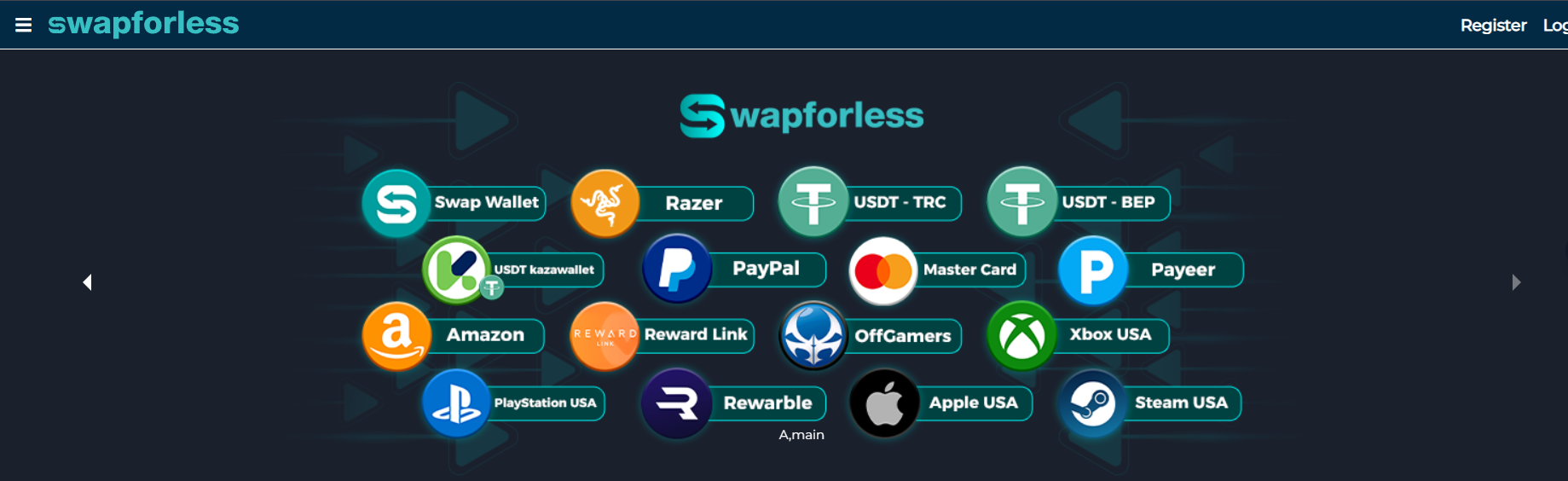
The biggest challenge facing closed-loop card users is holding a balance in a store they don’t need (e.g., you have an Xbox card but only play Roblox). This is where digital asset liquidation comes in.
Instead of letting a closed-loop card expire or be forgotten, 2026 users lean toward using the Swapforless platform. The platform acts as a technical bridge that takes your closed-loop card (restricted to a store) and gives you digital liquidity (such as USDT) in return.
This process exchange the card from a closed-loop type into global liquidity, granting you absolute freedom of movement.
Read more: What to do with an Amazon Gift Card you don’t need?
Practical Steps to Manage Your Cards Wisely:
- Identify Your Need: If you want to pay for various subscriptions, buy an Open Loop card.
- Snag the Deals: Closed-loop cards are often sold at discounts; buy and use them at their specific store to maximize savings.
- Don’t Leave a Stuck Balance: If you receive a closed-loop card you don’t need, head immediately to exchange gift cards via Swapforless into digital cash.
- Security First: Always ensure you can spot fake websites claiming to exchange balances when dealing with any exchange site.
Frequently Asked Questions (FAQ)
Can I use an Xbox card to buy products from Amazon?
Not directly, as both are closed-loop for different stores. The solution is to exchange the Xbox balance for USDT via Swapforless , then use it to purchase an Amazon card.
Why do some prefer closed-loop cards despite the restrictions?
Because they often do not require identity verification and are considered the fastest way to top up games and hobbies without linking a bank account.
Are virtual Visa cards considered Open Loop?
Yes, as long as they are accepted at any site requesting Visa, they fall under the open-loop classification.
In Conclusion
In 2026, whether you choose the freedom of open-loop cards or the specialization of closed-loop ones, remember that the financial value belongs to you.
Do you have closed-loop gift cards you aren’t using?
Don’t let them lose their value. Start converting them into flexible liquidity via Swapforless now and enjoy the spending freedom provided by digital currencies!