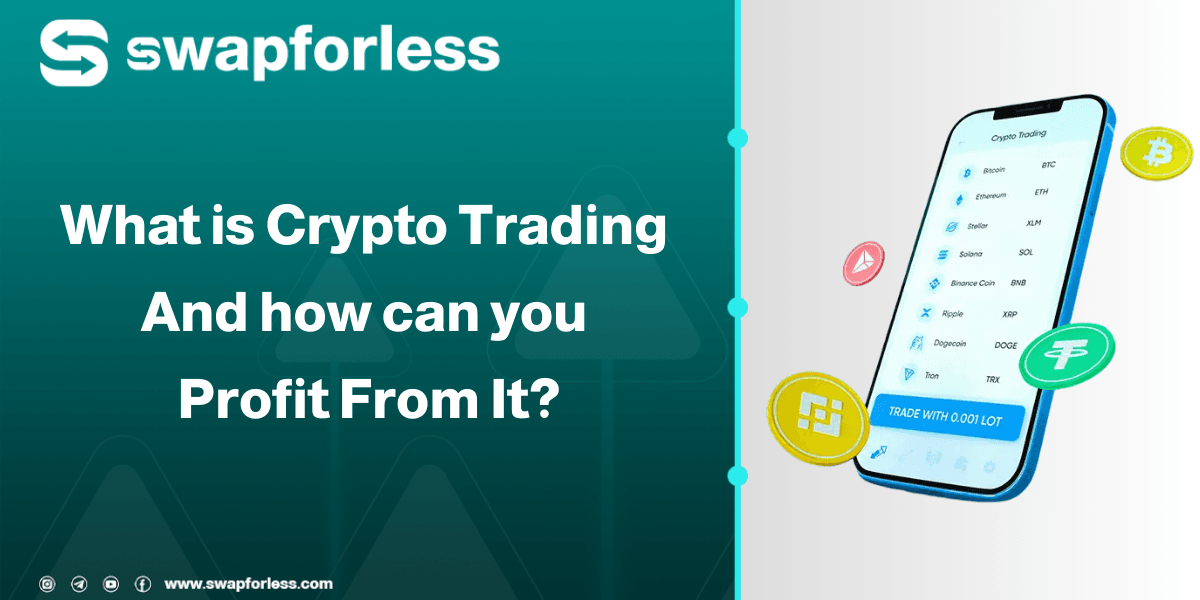
What is crypto trading? Crypto trading is essentially buying and selling digital assets for profit. Think of it like the stock market, but without central banks or closing bells. In 2026, the market is more regulated and massive than ever, but the risks remain very real. Success starts with a trusted platform, identity verification, and a “security-first” mindset.
What Is Crypto?
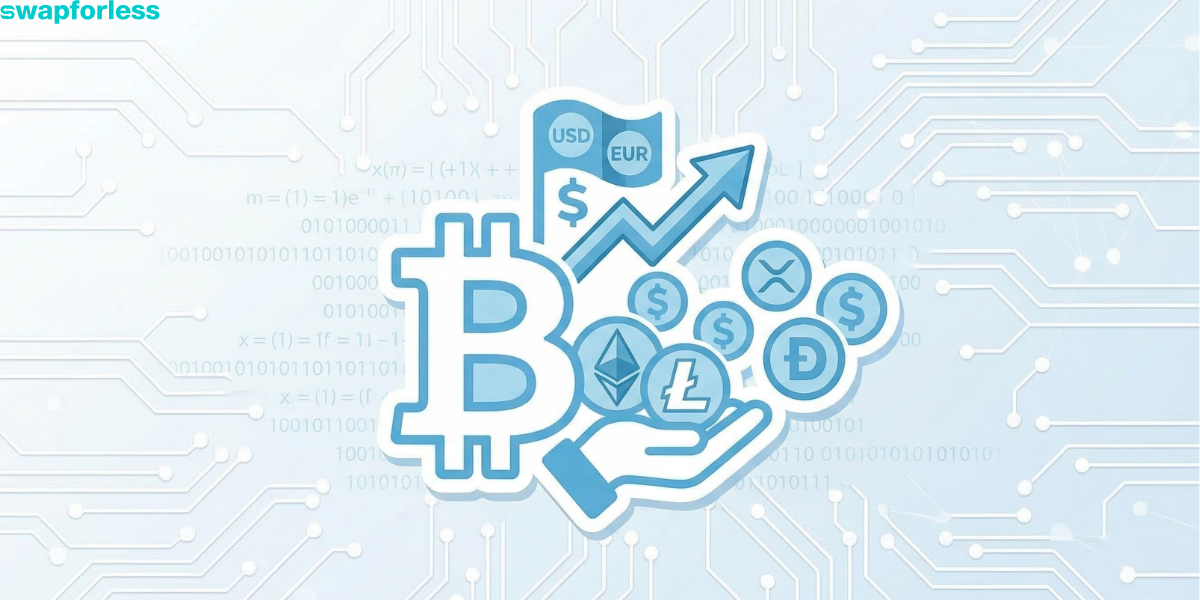
Think of cryptocurrency as “programmable money.” It isn’t issued by any government; instead, it lives in digital wallets and moves across decentralized networks (blockchains).
While the concept surfaced in the 90s, Bitcoin’s 2009 launch changed everything, sparking thousands of specialized digital assets.
Top Crypto to Watch in 2026:
- Bitcoin (BTC): “Digital Gold”, the primary store of value.
- Ethereum (ETH): The “World Computer” powers smart contracts and apps.
- Tether (USDT): A “Stablecoin” pegged to the USD—your hedge against volatility.
- Solana (SOL): High-speed, low-fee network; a major 2026 powerhouse.
- Litecoin (LTC) & XRP: Established legacy coins with specific niche uses.
- Bitcoin Gold (BTG): Now a minor player with significantly lower market share.
How Does Trading Actually Work?
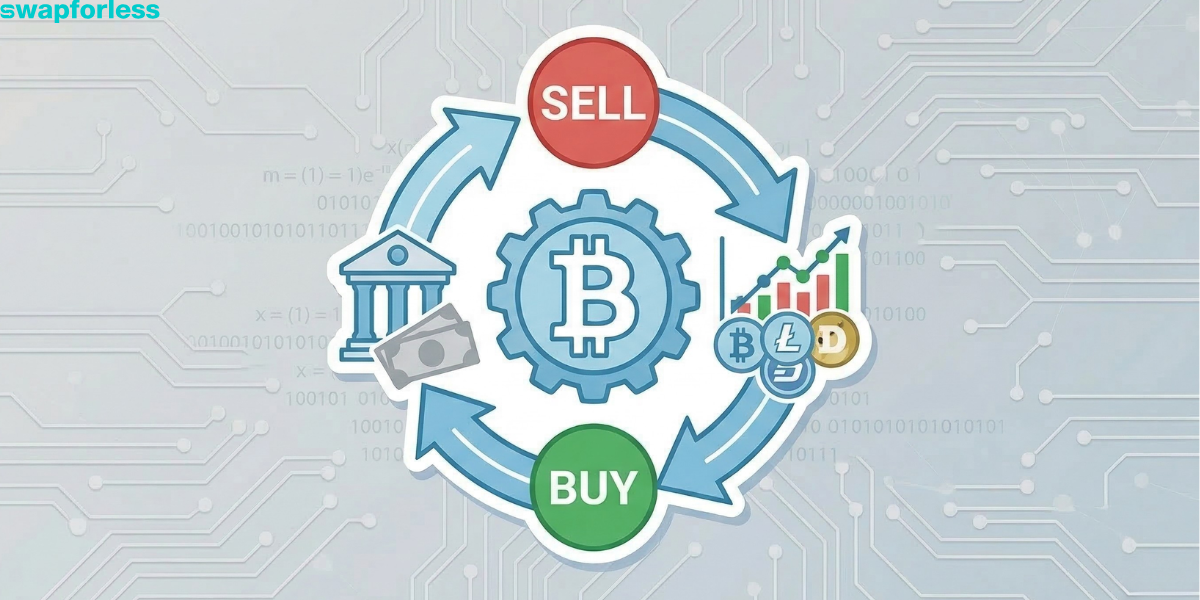
At its core, trading is about buying low and selling high. The price difference is your profit. But because crypto moves fast, the opposite can happen just as quickly.
Pro-Step Checklist:
- Choose a Reputable Exchange: Stick to giants like Binance, Coinbase, or Kraken. Avoid “ghost platforms”; most 2020s hacks happened on small, unregulated exchanges.
- Verify Your Identity (KYC): Reliable platforms require an ID check. This isn’t red tape, it’s your legal safety net.
- Invest Only What You Can Lose: This is the golden rule. In 2021-2022, even giants like BTC and ETH saw 70% crashes. Never bet the rent money.
- Do Your Homework (DYOR): Check the daily volume and market cap on CoinMarketCap or CoinGecko before buying.
- Secure Your Goods: Exchange Wallets: Convenient for active trading but the platform holds your keys.
-
-
Hardware Wallets (Cold Storage): Devices like Ledger or Trezor. You hold the keys. This is the gold standard for security.
-
Trading vs Investing: Which One Are You?
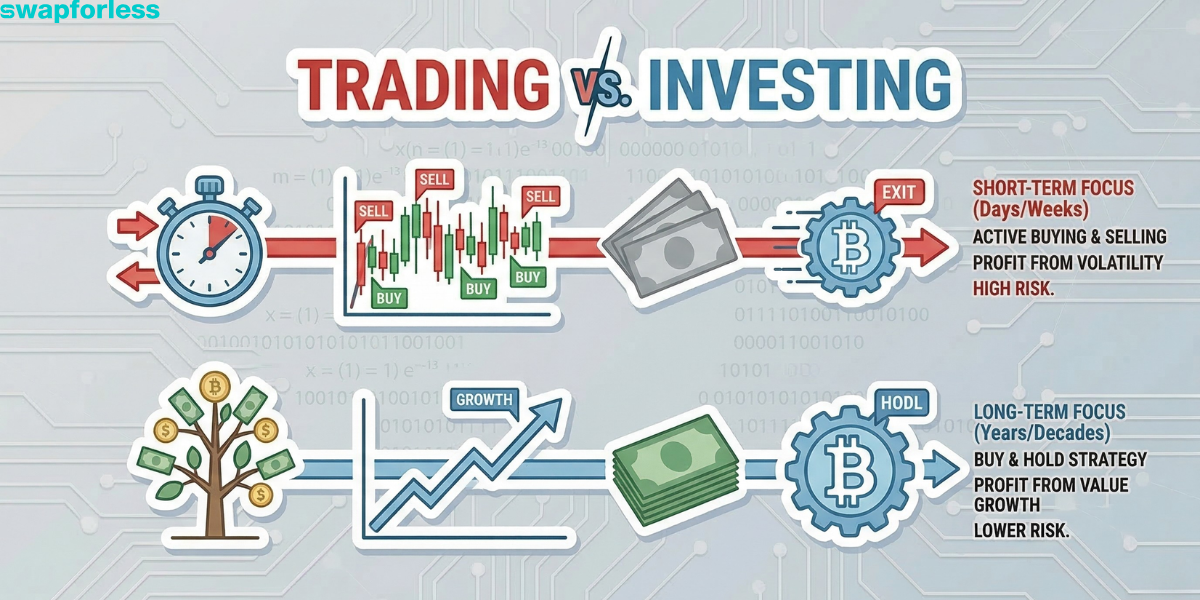
| Feature | Trading | Investing (HODL) |
| Duration | Hours or days | Months or years |
| Goal | Quick price swings | Long-term growth |
| Risk | High | Moderate |
| Time Needed | Daily monitoring | Occasional check-ins |
Pro Tip: If you’re new, start by “Investing” in high-cap coins rather than “Trading” volatile small-cap tokens.
Understanding the Differences: BTC vs. ETH vs. Stablecoins
The following table helps you understand the core differences between the most widely traded digital assets:
2026 Crypto Landscape: What’s New?

- Institutional Adoption: Following US and EU regulatory nods, Bitcoin and Ethereum ETFs are now standard in traditional portfolios. This brought massive liquidity, making the market “stabler,” but not “risk-free.”
- Stricter Rules: The 2022 FTX collapse was a turning point. Today, major exchanges operate under real financial oversight in most jurisdictions.
- Volatility Still Reigns: Despite the maturity, Bitcoin can still swing 5-10% in a single day.
You may be interested:Cryptocurrencies and 10 Common Cryptocurrency Terms.
What are the Best Ways to Profit from Crypto Trading?
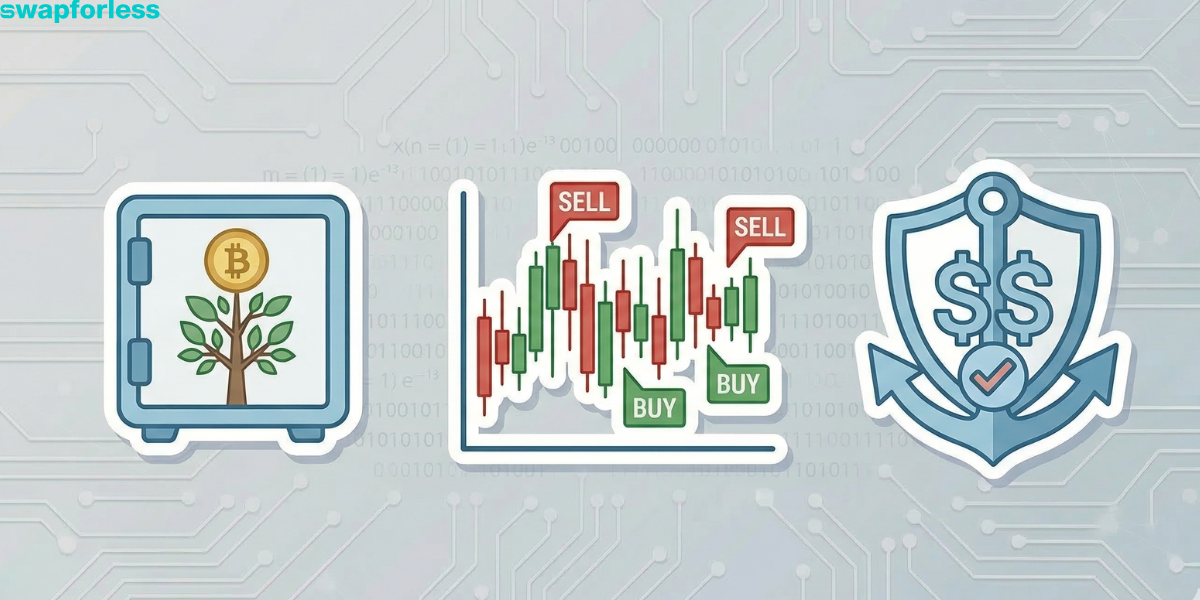
Profiting from cryptocurrencies isn’t just about daily speculation. There are several strategies you can combine based on your experience level and risk tolerance.
1. Long-Term Holding (HODL)
- The Strategy: Buying fundamentally strong coins like BTC or ETH and holding them for years, ignoring minor price fluctuations.
- Who it’s for: Investors who believe in the long-term future of blockchain technology and want to avoid the stress of daily market monitoring.
2. Short & Mid-Term Trading
- The Strategy: Buying and selling assets over periods ranging from days to weeks to capitalize on market waves (ups and downs).
- Requirements: Requires staying updated with the news and having a basic grasp of Technical Analysis (such as Support/Resistance levels and general trends).
3. Using Stablecoins to Hedge Against Volatility
- The Strategy: When the market direction is uncertain, you can temporarily convert your assets into stablecoins like USDT or USDC to preserve your capital’s USD value.
- Pro Tip: Stablecoins also serve as a fast and efficient “bridge” for moving funds between different exchanges and wallets.
Smart Crypto Trading Tips for 2026
- Skin in the Game: Paper trading doesn’t teach you the “fear” of a real dip. Start small with real money to learn the psychology.
- Mute the Noise: Don’t trade based on social media hype. Most “free tips” have hidden agendas.
- Have an Exit Strategy: Decide your “stop-loss” (when to sell if things go south) before you buy.
- Quality over Quantity: Diversifying into 10 bad coins isn’t a strategy. One well-researched project is better.
Frequently Asked Questions (FAQ)
Do I need a financial background to trade crypto?
Not necessarily. However, you do need a fundamental understanding of how markets work and how to manage risk. Both are skills that can be learned with time and practice.
What is the minimum amount to get started?
While most exchanges allow you to start with as little as $10, very small amounts can be eaten up by transaction fees. In 2026, $50 to $100 is considered a more practical starting point for meaningful results.
Is cryptocurrency legal?
This varies by country. In most Gulf and Arab countries, trading is permitted, though regulations are constantly evolving. Always check your local regulatory status before you begin.
What is the difference between USDT and other coins?
USDT is a stablecoin pegged to the US Dollar. Don’t expect massive profits from it; its purpose is to act as a “hedge” or a safe haven to preserve your value in a volatile market.
Can I automate my crypto trading?
Yes, using trading bots like 3Commas or Coinrule. However, remember: a bot only executes your strategy—it doesn’t create a winning one for you.
What is the difference between a Wallet and an Exchange?
An Exchange is where you buy and sell assets. A Wallet is where you actually store them. For maximum security, keep your long-term holdings in a private wallet (especially offline “Cold Storage”) rather than on the exchange.
In the end
Crypto is a legitimate frontier, but it rewards the disciplined. The more you study, the less you lose.
Read More: Through swapforless website, you can send to 7 digital wallets.